07/08/2026
In-Demand Trades in UK Construction: The Complete 2026 Guide
In-demand trades in UK construction span a wide range of specialisms right now, driven by a combination of the country's ongoing housing shortage, an ageing skilled trades workforce, and fast-growing sectors like renewable energy and electric vehicle infrastructure. For anyone considering a trade career — or already qualified and weighing up where to focus — understanding which trades face the most acute shortages helps identify where job security and earning potential are strongest. This guide breaks down the UK's most in-demand construction trades, typical salaries, where demand is concentrated regionally, and what's driving each shortage.
Why So Many UK Construction Trades Are in Shortage
The UK's construction skills shortage isn't limited to one or two roles — it spans nearly every core trade, driven by a set of shared underlying pressures. An ageing workforce is approaching retirement across almost every skilled trade simultaneously, while the number of new apprentices and trainees entering construction has not kept pace with the scale of departures. At the same time, demand has grown from multiple directions at once: a persistent national housing shortfall, substantial infrastructure investment, and entirely new demand sources like renewable energy installation and EV charging infrastructure that didn't exist at scale a decade ago. This combination of shrinking supply and expanding demand is why shortages are now visible across almost the entire construction trades landscape rather than being confined to a single specialism.
The Most In-Demand Trades Right Now
Bricklayers
Bricklayers remain one of the hardest roles to fill nationally, driven directly by the UK's ongoing housing shortage and brick's continued dominance as the preferred residential building material. Self-employed bricklayers working gang rates are particularly well positioned to benefit from this shortage during busy periods.
Electricians
Electrical work carries a higher technical and regulatory barrier to entry than many trades, naturally limiting supply. Combined with fast-growing demand from EV charging installation and renewable energy work, electricians are among the best-paid and most secure trades in UK construction right now.
Groundworkers
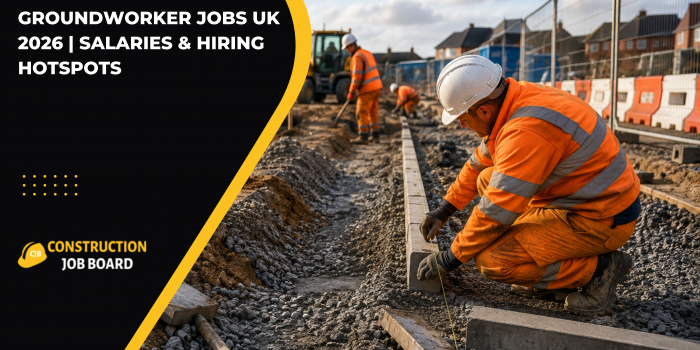
As the essential first trade on almost every construction project, groundworkers benefit from demand across residential, commercial, infrastructure and renewable energy construction alike, giving this trade unusually broad and stable demand.
Carpenters
Carpentry's versatility across site-based first and second fix work, plus a separate bespoke joinery market, gives this trade genuine resilience. Bespoke and heritage carpentry skills in particular command a premium given how scarce they are relative to demand.
Plumbers and Heating Engineers
Plumbers and heating engineers face particularly acute shortages linked to the UK's ongoing transition toward low-carbon heating systems, including heat pump installation, which requires specialist qualifications that remain in short supply relative to government retrofit targets.
Plasterers
Plastering has seen a steady decline in new entrants over the past decade, creating a genuine shortage despite consistent demand from both new-build and renovation work across the residential sector.
Steel Fixers and Formworkers
Given the scale of the UK's infrastructure and commercial construction pipeline, steel fixers and formworkers remain in strong demand, particularly on larger civils and structural projects where these specialist skills are essential.
Salary Comparison Across In-Demand Trades
|
Trade
|
Entry-Level
|
Experienced
|
Self-Employed/Specialist
|
|
Bricklayer
|
£24,000–£32,000
|
£32,000–£45,000
|
£40,000–£70,000+
|
|
Electrician
|
£26,000–£35,000
|
£35,000–£50,000
|
£42,000–£80,000+
|
|
Groundworker
|
£23,000–£31,000
|
£31,000–£43,000
|
£38,000–£68,000+
|
|
Carpenter
|
£23,000–£31,000
|
£31,000–£44,000
|
£37,000–£68,000+
|
|
Plumber/Heating Engineer
|
£25,000–£33,000
|
£34,000–£48,000
|
£40,000–£70,000+
|
|
Plasterer
|
£24,000–£31,000
|
£32,000–£44,000
|
£38,000–£62,000+
|
Figures vary by region, with London and the South East typically sitting well above these ranges and other UK regions generally sitting within or close to them.
Regional Hotspots for In-Demand Trades
- London and the South East — the highest pay across nearly every trade, driven by continued high-density development and the highest cost of living
- Greater Manchester — one of the strongest regional markets outside London across almost all trades, tied to sustained residential and commercial construction
- West Midlands — particularly strong demand for groundworkers, steel fixers and electricians given the region's substantial infrastructure and logistics construction pipeline
- Yorkshire — consistent demand across nearly all trades tied to residential housebuilding, plus notable heritage trade opportunities around York
- Scotland — steady traditional trade demand across Glasgow and Edinburgh, alongside rapidly growing electrician and groundworker demand tied to renewable energy infrastructure
What This Means If You're Choosing a Trade
For anyone weighing up which trade to train in, the current market conditions favour specialisation in areas facing the most acute shortages — particularly electricians with EV or renewable energy qualifications, bricklayers willing to work flexibly across regions, and heating engineers qualified in low-carbon heating systems. These specific niches within already in-demand trades tend to offer the strongest combination of pay, job security and long-term career resilience, since they sit at the intersection of a general skills shortage and a specific, growing demand driver.
Final Thoughts
The UK's construction skills shortage spans nearly every core trade, driven by a shared combination of an ageing workforce, insufficient new entrants, and demand growing from multiple directions at once — housing, infrastructure, and entirely new sectors like renewable energy and EV infrastructure. For tradespeople and those considering a trade career, this creates genuinely strong opportunity across bricklaying, electrical work, groundworks, carpentry, plumbing and several other core trades, with particularly strong prospects for those willing to specialise in the fastest-growing niches within each.
Frequently Asked Questions
Which UK construction trade is in the highest demand right now?
Bricklayers, electricians, groundworkers and heating engineers with low-carbon heating qualifications are currently among the most in-demand trades, though shortages exist across nearly all core UK construction trades.
Why are so many UK construction trades in shortage at the same time?
An ageing workforce approaching retirement, insufficient new apprentices to replace departing tradespeople, and rapidly growing demand from housing, infrastructure and renewable energy sectors are combining to create shortages across almost the entire trades landscape simultaneously.
Which trade pays the most in UK construction?
Electricians, particularly those with EV charging or renewable energy specialist qualifications, tend to command some of the highest pay among UK construction trades, alongside experienced self-employed bricklayers and heating engineers.
Is it worth training in a trade given the current UK skills shortage?
Yes, the current shortage generally means strong job security and above-average pay for newly qualified tradespeople, particularly in trades facing the most acute shortages like bricklaying, electrical work and low-carbon heating installation.
Where is trade demand strongest across the UK?
London and the South East offer the highest pay across nearly all trades, while Manchester, the West Midlands, Yorkshire and Scotland all show consistently strong demand tied to regional housebuilding and infrastructure investment.
Will the UK trades skills shortage improve soon?
Most industry indicators suggest the shortage is unlikely to ease significantly in the near term, given the ongoing gap between workforce retirements and new apprentice numbers across almost every core trade.